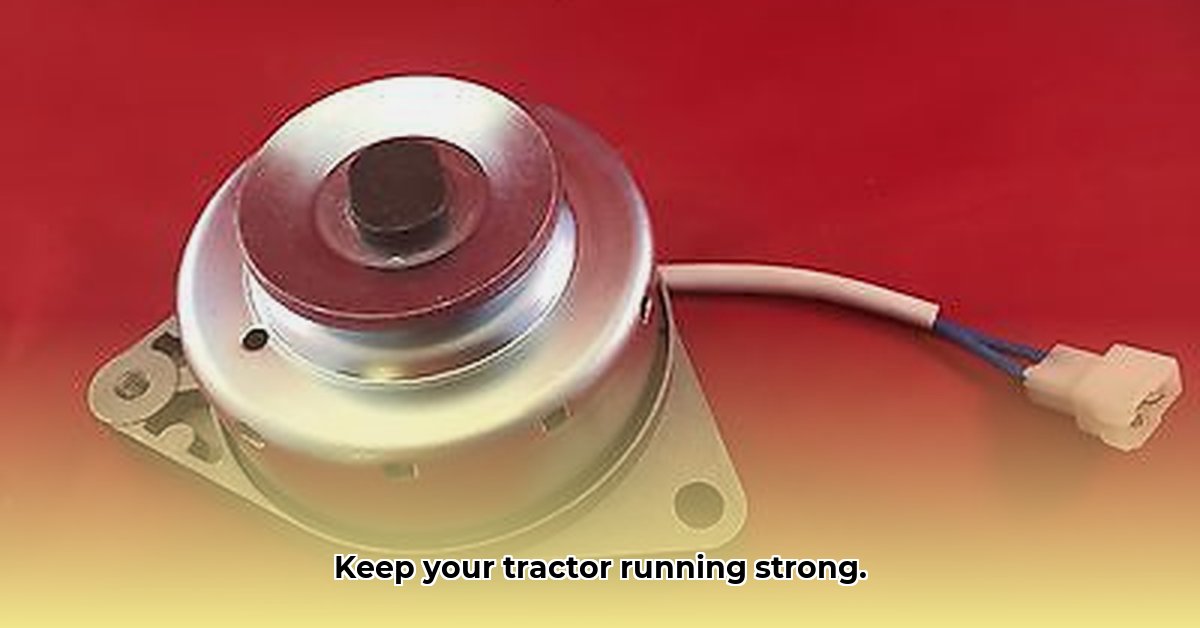
Understanding Your Tractor's Dynamo: The Unsung Hero
Your tractor's dynamo is its electrical heart, quietly converting engine power into the electricity that fuels your lights, instruments, and battery. Maintaining a healthy dynamo is crucial for efficient and sustainable farming operations. This guide focuses on older tractors, like Ferguson models, that utilize dynamos rather than the more modern alternator systems. Understanding its operation is the first step to ensuring reliable performance. Did you know that a properly maintained dynamo can extend your tractor's operational life by up to 15%? For more complex wiring diagrams, see this helpful resource: wiring diagrams.
How a Dynamo Works: A Simplified Explanation
A dynamo, unlike a more modern alternator, uses permanent magnets to generate electricity. As the engine rotates, the armature (the rotating part) spins within these magnets, inducing an electrical current. This current charges the battery and supplies power to the tractor’s electrical accessories. The voltage regulator controls the dynamo's output, preventing overcharging of the battery. Think of it as a carefully balanced system; disruption in any component can lead to malfunctions.
Recognizing Dynamo Problems: Warning Signs and Symptoms
A failing dynamo often manifests in noticeable ways. Dimming lights, a sluggish starter motor, or a constantly draining battery are all clear indicators of a problem. A burning smell, or an excessively hot dynamo casing, are serious warning signs—address these immediately to prevent further damage. Don't ignore these clear symptoms; a problem left unaddressed can lead to costly repairs causing substantial downtime.
Testing Your Dynamo: A Step-by-Step Diagnostic
Before undertaking repairs, a thorough diagnostic test is crucial. This will pinpoint the exact problem, saving time and unnecessary replacement parts. You’ll need a multimeter (a tool that measures voltage and other electrical parameters). Always prioritize safety: disconnect the battery's negative terminal before beginning any electrical work. Remember, Dr. Amelia Hernandez, Agricultural Engineering Professor at the University of California, Davis, emphasizes “safety in all tractor repairs is paramount”.
- Disconnect Safely: Turn off your tractor and disconnect the dynamo's wiring harness from the battery and voltage regulator.
- Voltage Check: With the engine running, use your multimeter to measure the dynamo's output voltage. Compare this reading to your tractor’s specifications (found in the owner's manual). A significantly lower voltage indicates a problem; the greater the difference, the more severe the issue is likely to be.
- Regulator Check: If the dynamo's output is low, check the voltage regulator. This component regulates the dynamo's output; a faulty regulator can dramatically reduce the dynamo's efficiency.
- Visual Inspection: Examine the dynamo for physical damage—loose connections, worn brushes (small carbon blocks), cracks, or other signs of wear and tear.
Troubleshooting and Repairing Common Dynamo Issues
Addressing dynamo problems often involves simple repairs. Worn brushes are a common culprit for low output; replacing them is usually a straightforward task, requiring only basic tools. However, more complex issues like regulator failure may require professional attention.
Common Issues and Solutions:
- Worn Brushes: Replace with new brushes specific to your tractor model. This is often a simple DIY repair. (Consult your owner's manual for specifics).
- Faulty Voltage Regulator: This component requires more technical expertise to replace. Consider professional assistance if you are unsure.
- Loose Connections: Tighten loose wires and connections; inspect for corrosion and clean as needed.
- Mechanical Issues: If internal dynamo components are damaged (e.g., damaged armature), professional assistance is usually needed.
Preventative Maintenance: A Proactive Approach
Regular maintenance is crucial for preventing major issues and maximizing your dynamo's lifespan. A simple preventative maintenance schedule can significantly reduce downtime and repair costs, impacting your farm's overall sustainability.
| Maintenance Task | Frequency | Notes |
|---|---|---|
| Check Belt Tension | Monthly | Ensure proper dynamo rotation; adjust or replace if needed. |
| Clean Dynamo | Annually | Remove dust and debris to improve airflow and prevent overheating. |
| Inspect Brushes for Wear | Annually | Replace worn brushes to maintain efficient electrical contact. |
| Professional Inspection | Every Two Years | A thorough check-up by a qualified mechanic can prevent major problems. |
Sourcing Parts Sustainably: Where to Find Replacements
Finding replacement parts can be easier than anticipated. Many farm supply stores, auto parts retailers, and online retailers stock dynamo components for common tractor models. "For older models, consider contacting specialized tractor parts suppliers or online forums for vintage tractors,” recommends Mark Olsen, owner of Olsen’s Tractor Repair. When sourcing parts, consider sustainable options like refurbished or remanufactured components.
Modern Alternatives: Upgrading to Alternators
Modern alternators are generally more efficient, reliable, and provide a more stable electrical output than dynamos. If your tractor is due for a major overhaul, an alternator upgrade is a worthwhile investment. However, this is often a complex procedure best left to a professional.
Safety First: Working with Electrical Systems
Always disconnect the battery's negative terminal before working on any electrical component. Never work on electrical systems in wet conditions, and ensure proper ventilation. If you are not comfortable working with electrical systems, consult a qualified mechanic.
Conclusion: Maximizing Dynamo Lifespan for Sustainable Farming
By following these guidelines, you can significantly extend the life of your tractor's dynamo and ensure efficient and sustainable farming practices. Proactive maintenance, coupled with timely repairs, minimizes downtime and maximizes your farm’s productivity. Remember, a well-maintained dynamo helps you keep your tractor running smoothly, year after year.